- Valley Recap
- Posts
- ☁️ AI INFRA Summit 5: What 1,000 Infrastructure Leaders Heard ❤️ The Community Behind it all 💵 Bay Area Startups Collectively Secured $20.42B in April
☁️ AI INFRA Summit 5: What 1,000 Infrastructure Leaders Heard ❤️ The Community Behind it all 💵 Bay Area Startups Collectively Secured $20.42B in April
The five signals that defined the day


AI INFRA Summit 5: What Infrastructure Leaders Heard
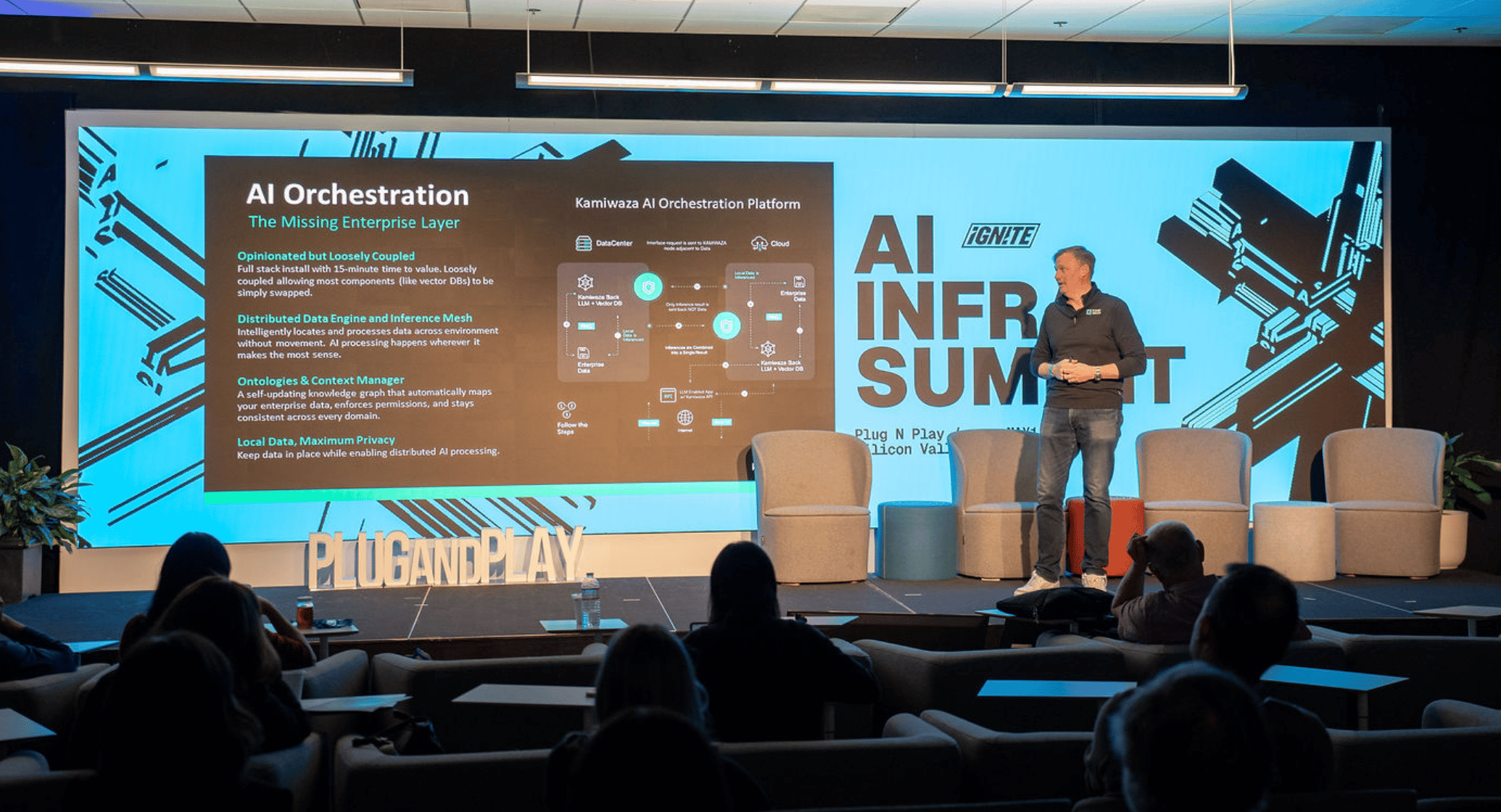
Luke Norris, Kamiwaza
The five signals that defined the day
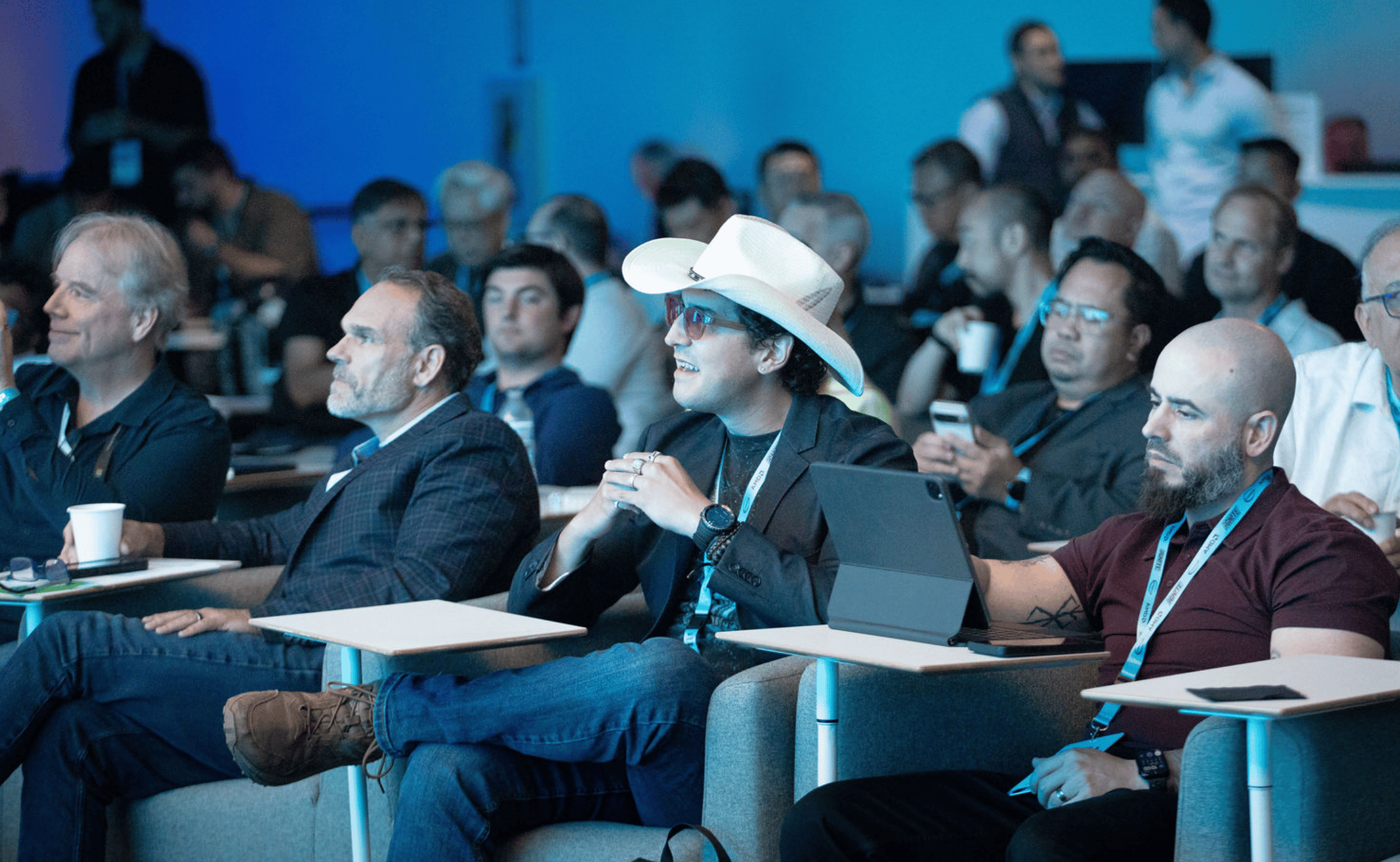
On May 1st, AI INFRA Summit 5 crossed a threshold it hadn't reached before: 1,000 registered attendees gathered at Plug and Play Tech Center in Sunnyvale to hear from the builders, operators, and investors shaping the next wave of AI infrastructure. What emerged from a full day of keynotes, panels, and conversations wasn't a single narrative — it was five clear signals about where the industry is headed.
Signal 1: The Agentic Internet is already being built.
Jeremiah Owyang of Blitzscaling Ventures opened the day by naming where we are: Web 4.0, the Agentic Internet. Autonomous AI agents are now deciding, transacting, learning, and replicating with minimal human intervention. The companies building ahead of this shift are producing 10X revenue per employee relative to traditional competitors. The ones waiting are falling further behind. The question for every organization in the room was simple: where do you sit on the AI culture spectrum, and are you moving fast enough?

Jeremiah Owyang, GP at Blitzscaling Ventures
Signal 2: Power is the real bottleneck (and the biggest opportunity)
Across multiple sessions, one constraint dominated: power. Global data center power demand has tripled in three years. Rack density is climbing from 15kW toward 150kW and beyond. New grid interconnection timelines are measured in years, not months. Hammerhead's Bobby and Rahul Krur made the opportunity clear: the highest leverage play isn't waiting for new generation capacity — it's unlocking the stranded and underutilized power already inside existing infrastructure. Orchestration software that maximizes AI output within a constrained power envelope is a category that didn't exist five years ago and is now critical.
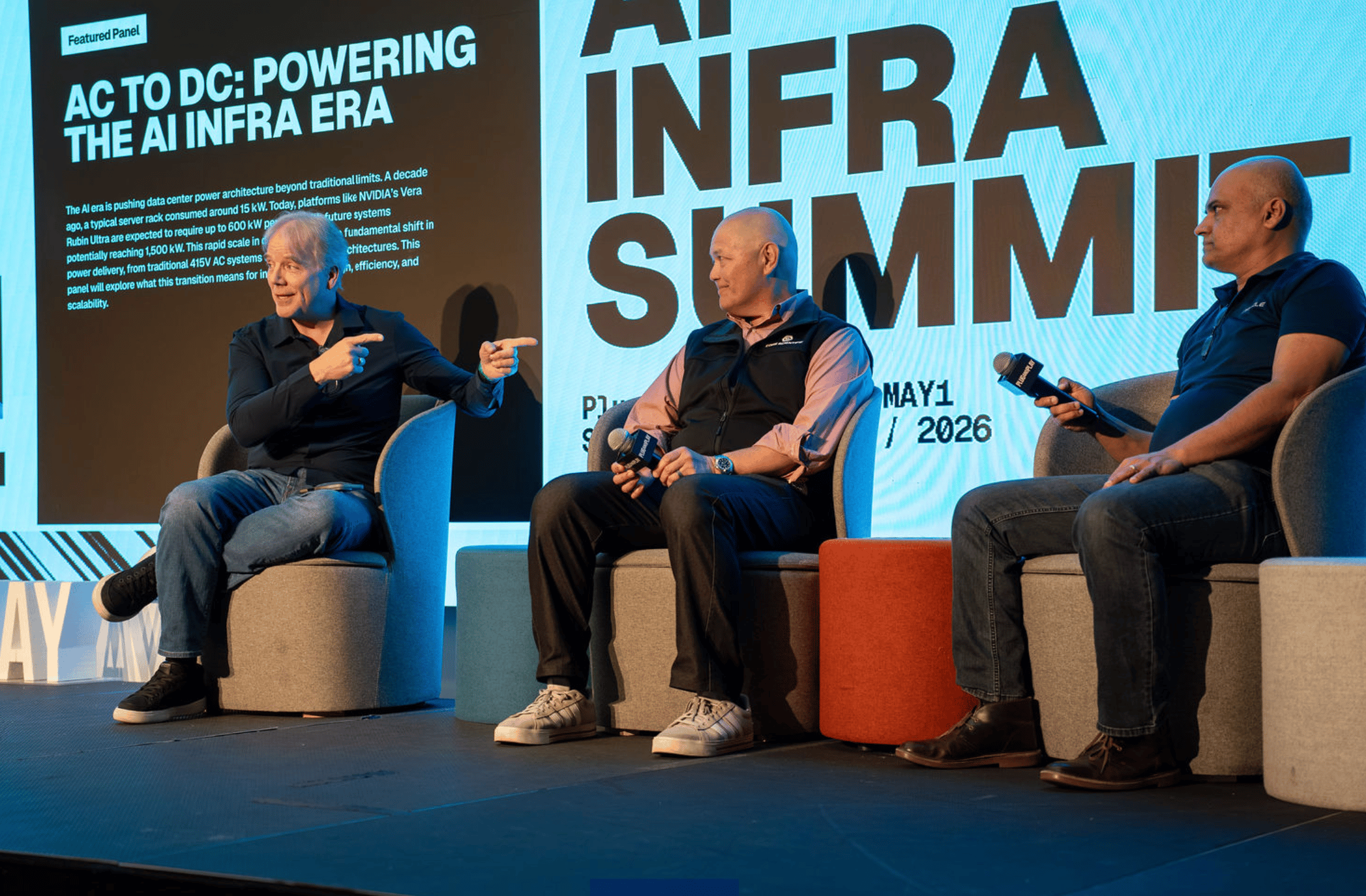
Dean Nelson, JP Balajadia and Rajesh Gopinath
Signal 3: Inference economics have changed the business model.
Training was last year's story. Inference is this year's constraint. Joo Young Kim of HyperAccel, Vasanth Mohan of SambaNova, and the Tokenomics panel all converged on the same point: per-token pricing is falling, but total AI costs are rising — because reasoning, agentic workflows, and long-context usage consume dramatically more tokens than previous generations. Token efficiency is now a design constraint, not a pricing footnote. The CFO is paying attention. The infrastructure stack is being re-architected around heterogeneous chips, distributed inference, and workload-specific optimization.
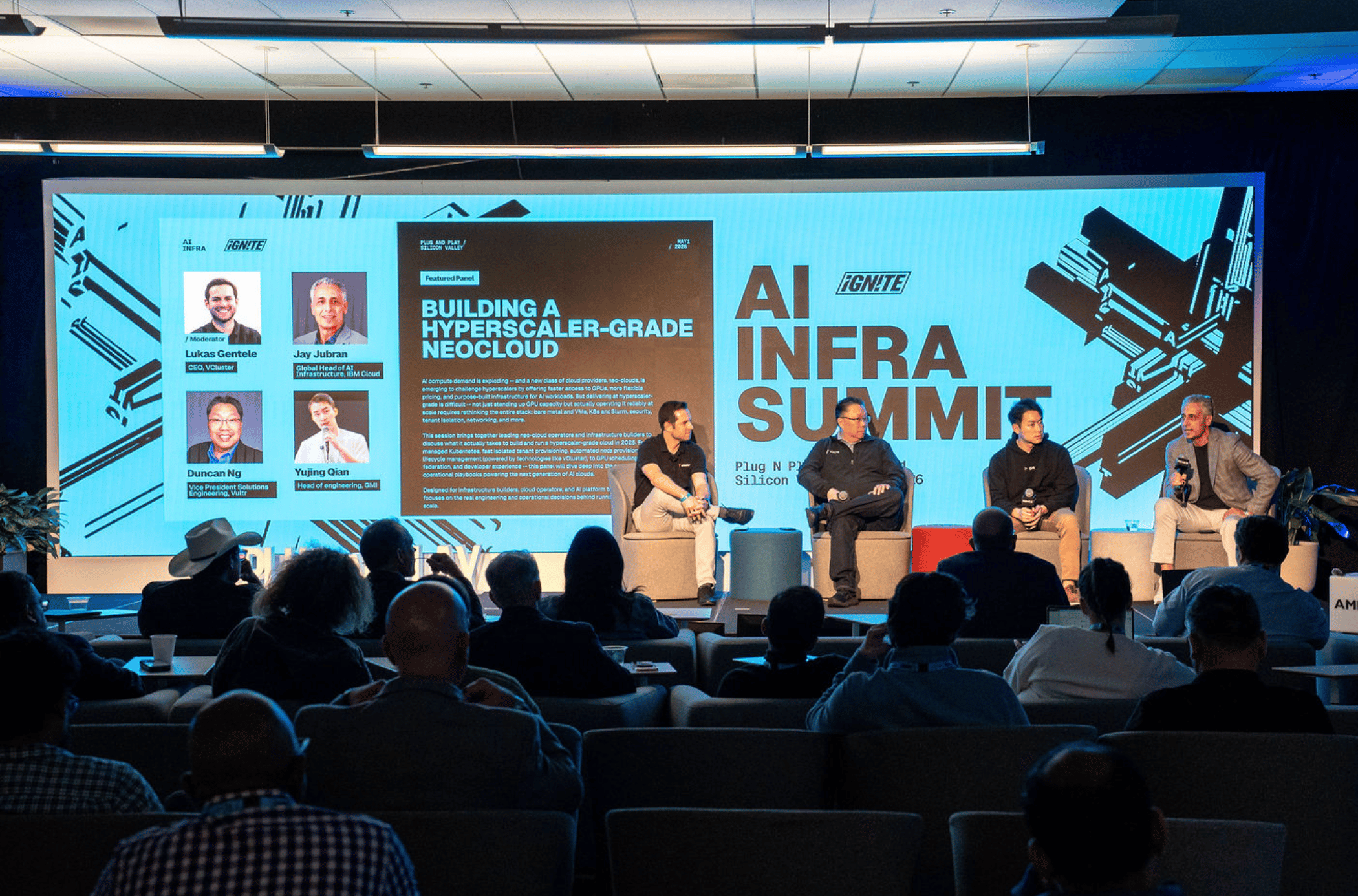
Signal 4: The enterprise AI failure mode is organizational, not technical.
Minal Iyer of SurveyMonkey delivered the most practically useful point of the day: 70% of AI pilots fail not because the tools don't work, but because there's no operating model behind them. No ownership. No governance. No repeatable measurement. The companies succeeding at enterprise AI scale aren't the ones with the best models — they're the ones with executive mandate, formal budgeting, and an AI Center of Excellence with a real ROI review cadence. Nicola Tan of AMD reinforced this from the infrastructure side: the production bottleneck is fragmented enterprise data, not model availability.
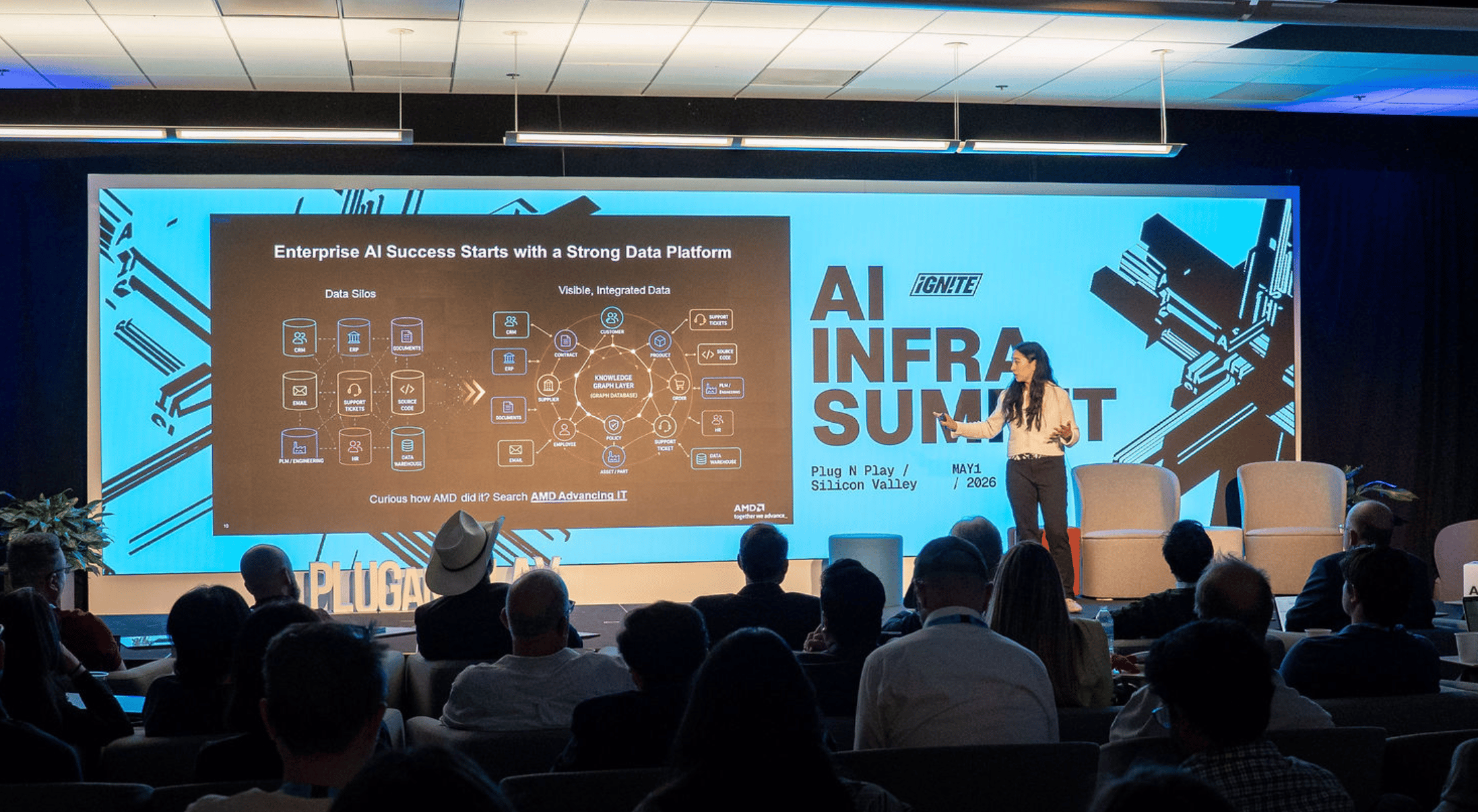
Signal 5: The infrastructure stack is being redesigned at every layer simultaneously.
Networking, power distribution, cooling, data orchestration, and chip architecture are all in transition at the same time. Co-Packaged Optics, liquid cooling, DC power architectures, distributed inference, and agentic orchestration aren't isolated innovations — they're converging on a new baseline for what AI infrastructure looks like. The companies that build around integrated, full-stack outcomes will set the standard.
The through line across every session was the same: the model layer is increasingly commoditized. The advantage belongs to teams who solve what's underneath it — power, data access, inference efficiency, and organizational readiness.
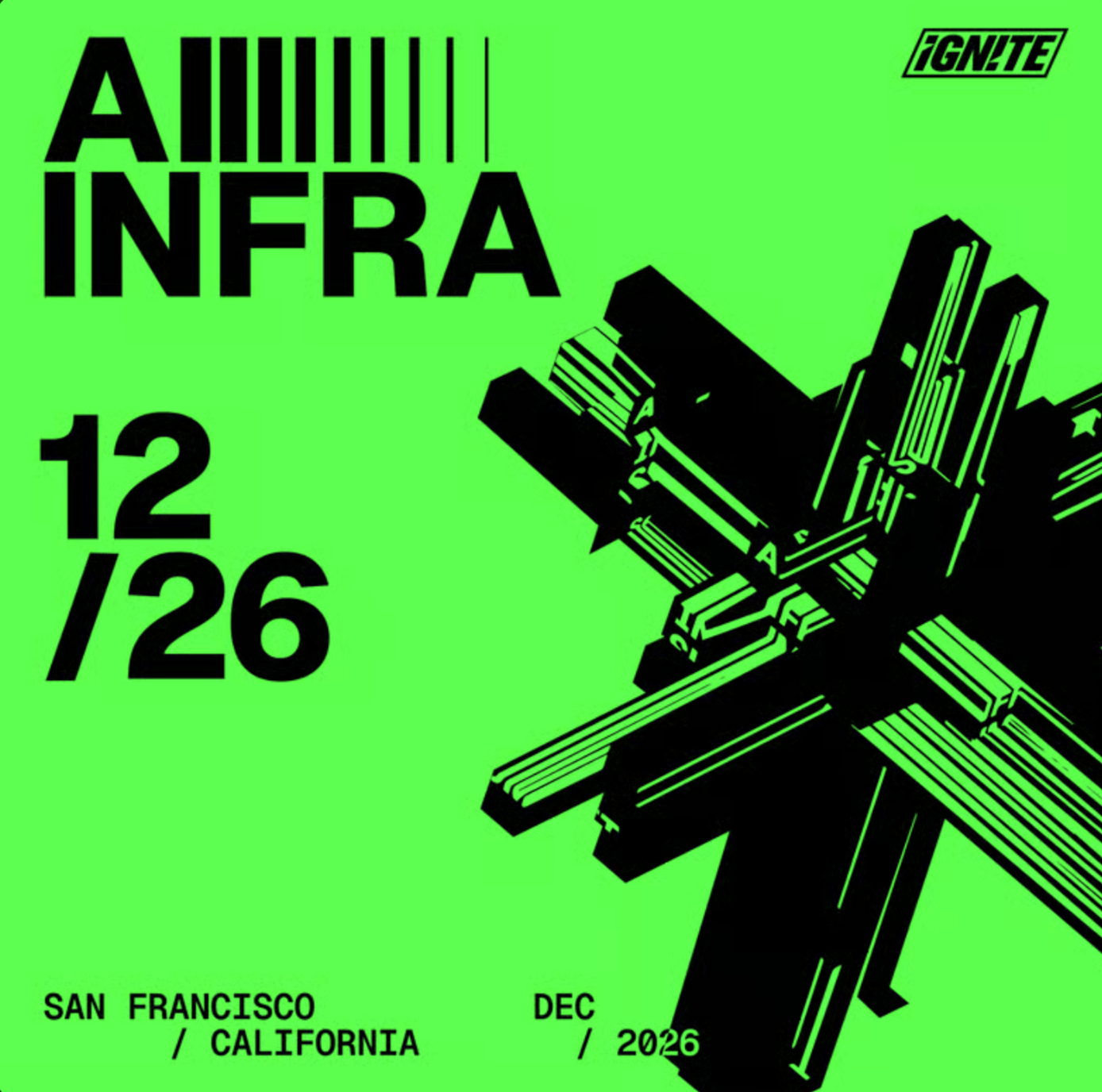
That's what AI INFRA exists to support. See you at Summit 6 — December 4th, San Francisco. Secure your spot with Super Early Bird Tickets below

More Than a Conference: The Community Behind AI INFRA
Numbers tell part of the story. 1,000 registered attendees. Speakers from AMD, Supermicro, IBM Cloud, Tencent Cloud, Oracle, SambaNova, and a dozen more. A BMW i7 in the Ignite Studio. A main stage that ran from 9 AM to 5 PM without a quiet moment.
But the part that doesn't show up in the metrics is the reason people keep coming back.

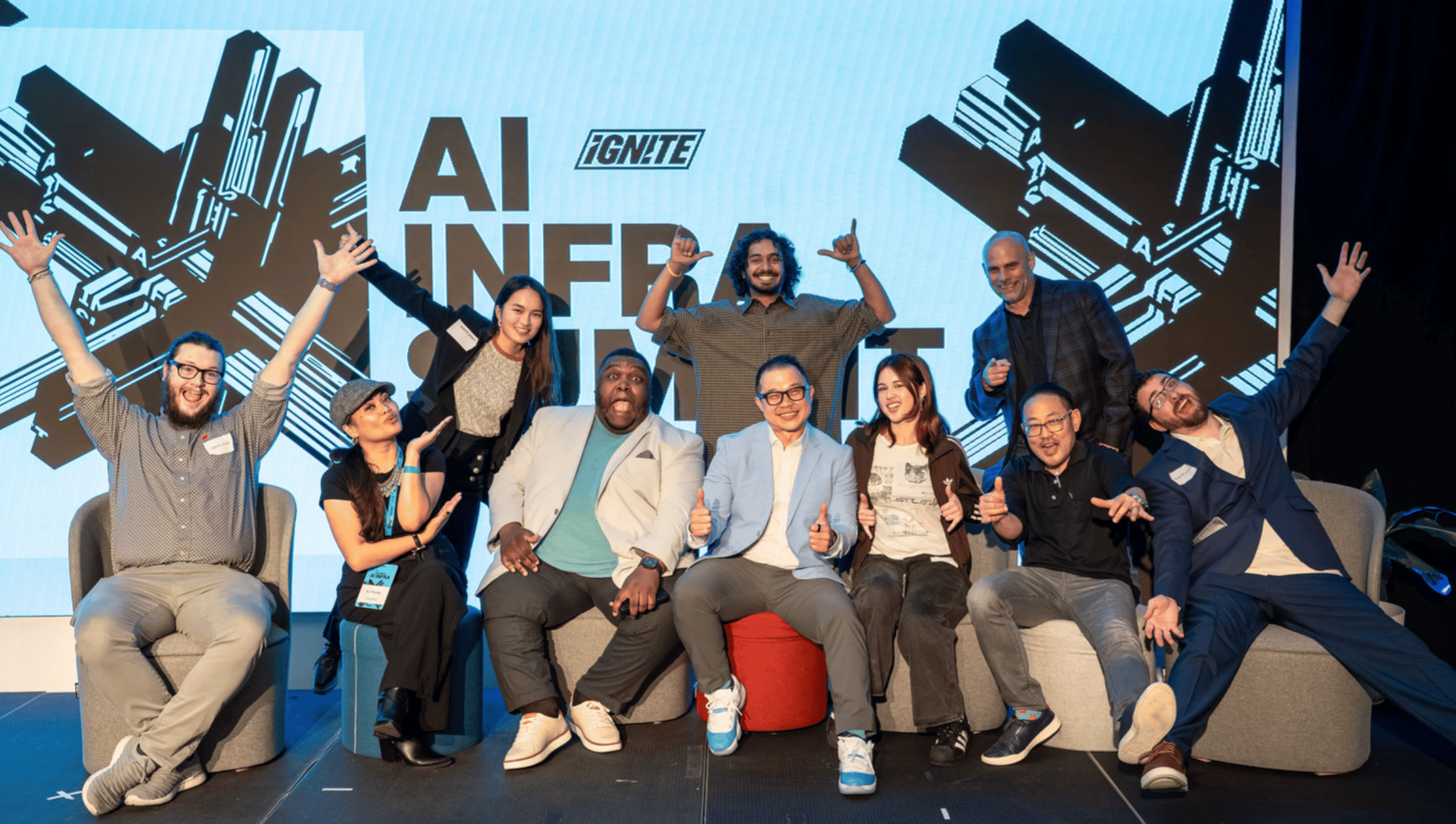
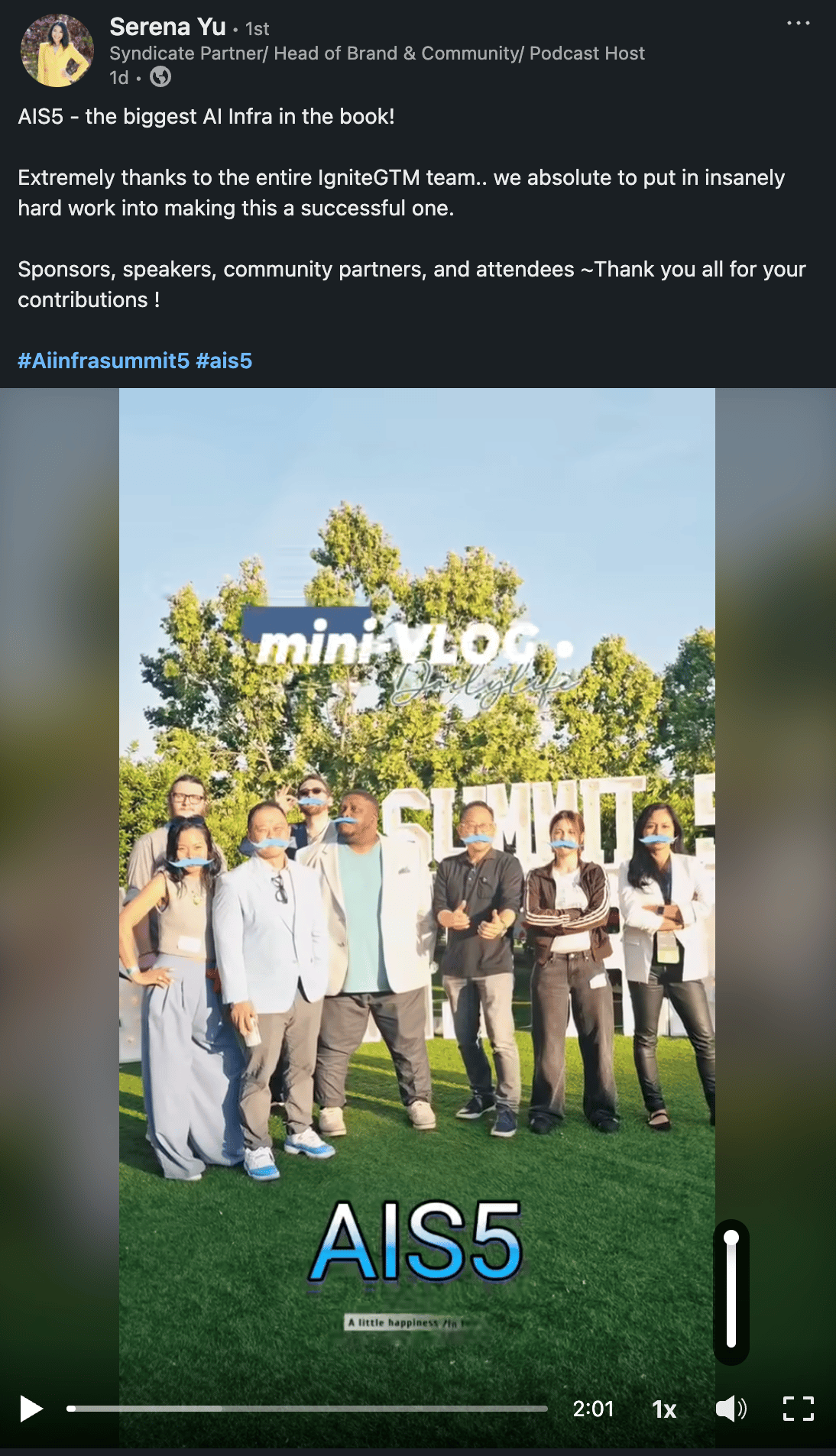
AI INFRA Summit 5 was the fifth time this community has gathered — and the energy in the room felt different from a typical industry event. These aren't people attending to collect business cards. They're builders, operators, and investors who are actually trying to solve the same problems together. The conversations that mattered most on Friday didn't happen on stage. They happened in the Ignite Lounge between sessions, at the sponsor tables during lunch, and in the boardroom where capital partners met face to face for the first time.
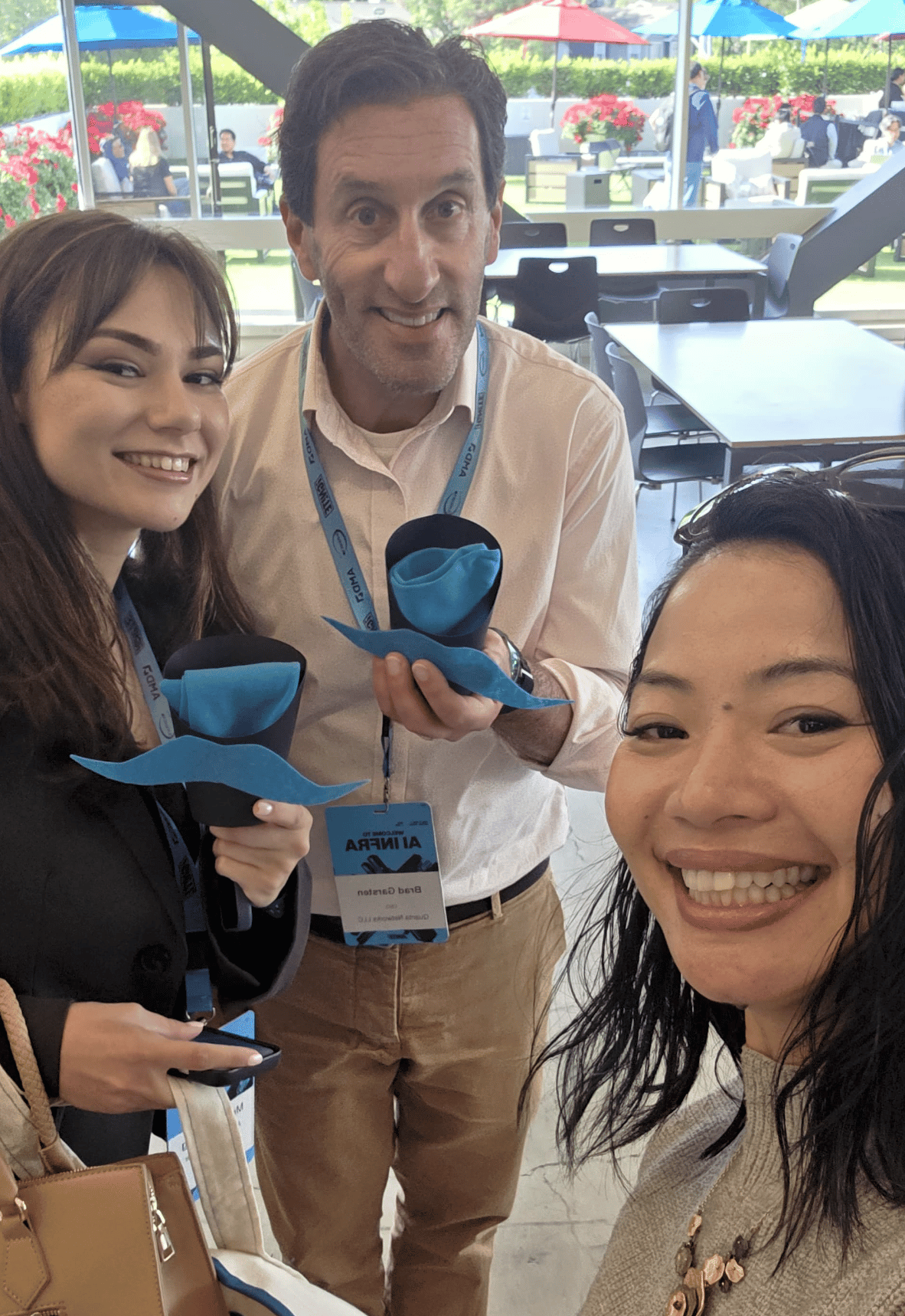
That's what the AI infrastructure community looks like right now. It's a group of people who understand that the work being done — building the power, compute, networking, and data layers that AI actually runs on — is generational. The friendships formed here become the partnerships that close deals, solve hard problems, and build companies.
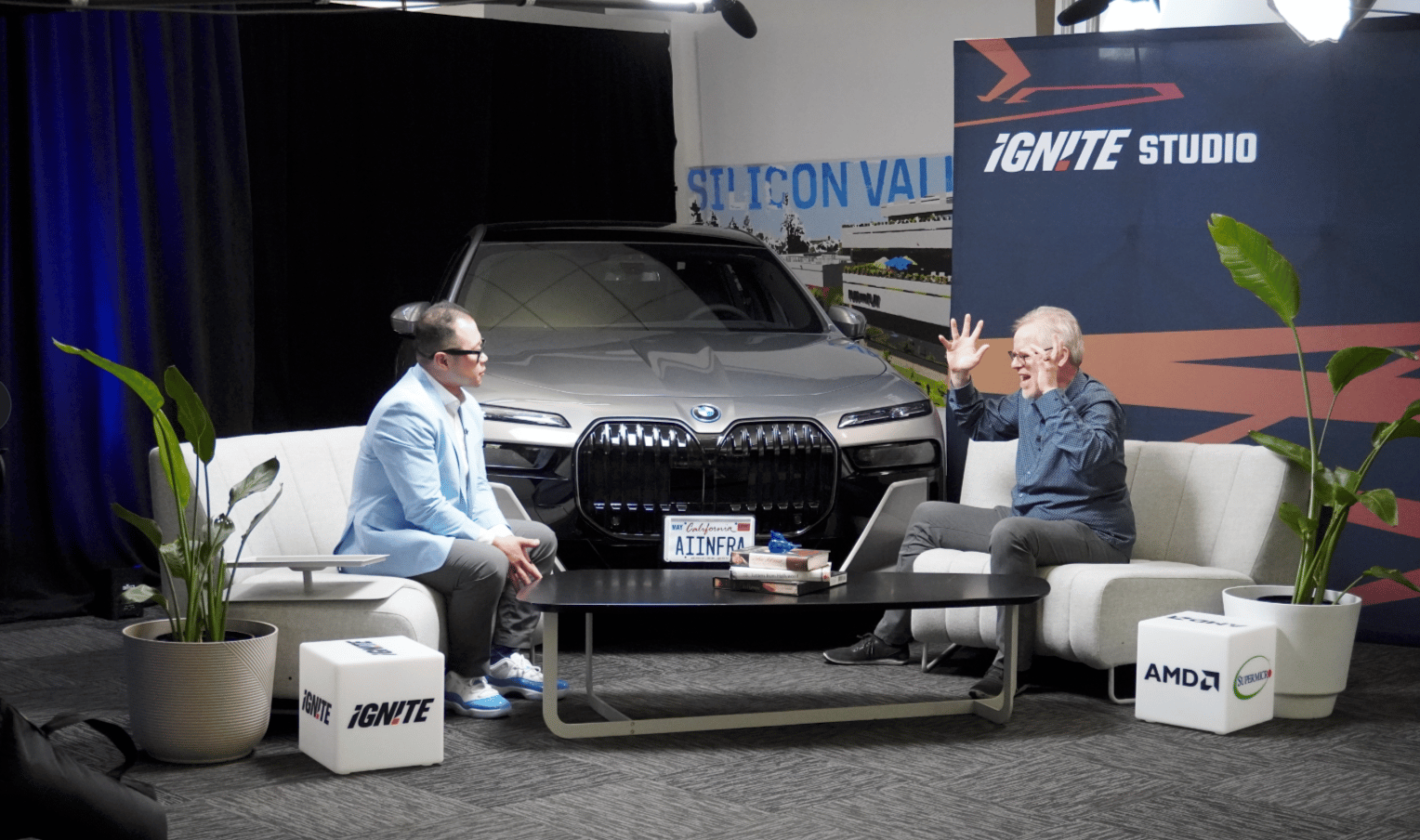
Bill Barry & Robert Scoble
We started AI INFRA as a place where serious infrastructure people could find each other. Five summits later, the community has built something that goes well beyond any single event. Thank you for being part of it. Summit 6 is December 4th in San Francisco. We'll see you there.

Bay Area Startups Collectively Secured $20.42B in April
The last week of the month closed with $1.63B in fundings, taking April above the $20B mark, for the 4th consecutive month of $20B+ in fundings. There were seventeen megadeals in April, including $500M for DeployCo., a joint venture between OpenAI and private equity firms TPG, Bain Capital, Advent International, Brookfield and Goanna Capital to sell AI tools to the PE firms' portfolio companies. The PE firms will be investing $4B into the joint venture.
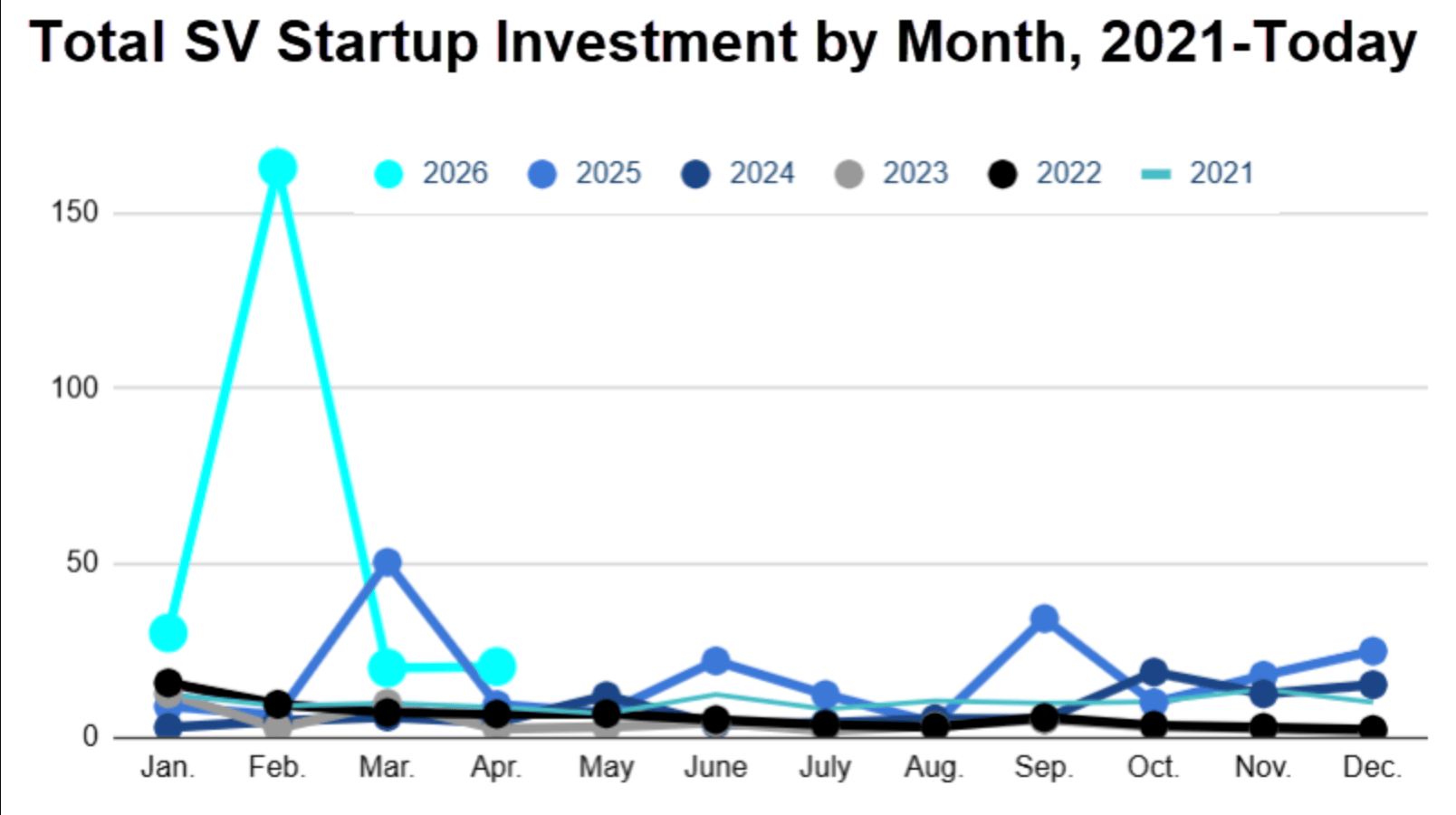
Webinar Alert: LinkSV's Tech, Talent & Investment Trends is this Friday, May 8 @ noon PT. Join us for a look at April's $20B+ month to start Q2 and where that investment is going. We'll look at the silicon and software newcomers in AI infrastructure and what challenges + opportunities they bring to the startup ecosystem. Finally, the non-AI startups - which ones are finding investors and where? Register here for the link.
Early Stage:
Scout AI closed a $100M Series A, the frontier AI lab for war, developing the reasoning layer that turns commander intent into coordinated action at the edge.
OpenLight closed a $50M Series A, PASIC technology integrates all the components of silicon photonics devices, both active and passive components, into one chip.
ComfyUI closed a $30M Series A, a node-based workflow platform for generative AI, built for creators who require full control over their pipelines.
Lighthouse Pharmaceuticals closed a $12M Series A,a clinical-stage biopharmaceutical company developing novel small-molecule therapeutics for chronic neurodegenerative and inflammatory diseases.
General Analysis closed a $10M Seed, an AI security company that helps enterprises deploy agentic AI safely through adversarial evaluation and defensive tooling.
Growth Stage:
Musely closed a $360M non-dilutive capital, a prescription wellness company with a focus on accessible and effective telemedicine.
Hightouch closed a $150M Series D, a Composable CDP and Agentic Marketing Platform that empowers companies to power personalized marketing and business operations.
Netomi closed a $110M Series D, the enterprise agentic CX platform built for the world's most complex environments.
Parallel Web Systems closed a $100M Series B, the leading web search provider for AI agents, with APIs that give agents structured, grounded access to the open web,
MagicCube closed a $10M Series C, a device independent IoT security platform that protects against on-device, cloud, and network attacks.
Your Feedback Matters!
Your feedback is crucial in helping us refine our content and maintain the newsletter's value for you and your fellow readers. We welcome your suggestions on how we can improve our offering. [email protected]